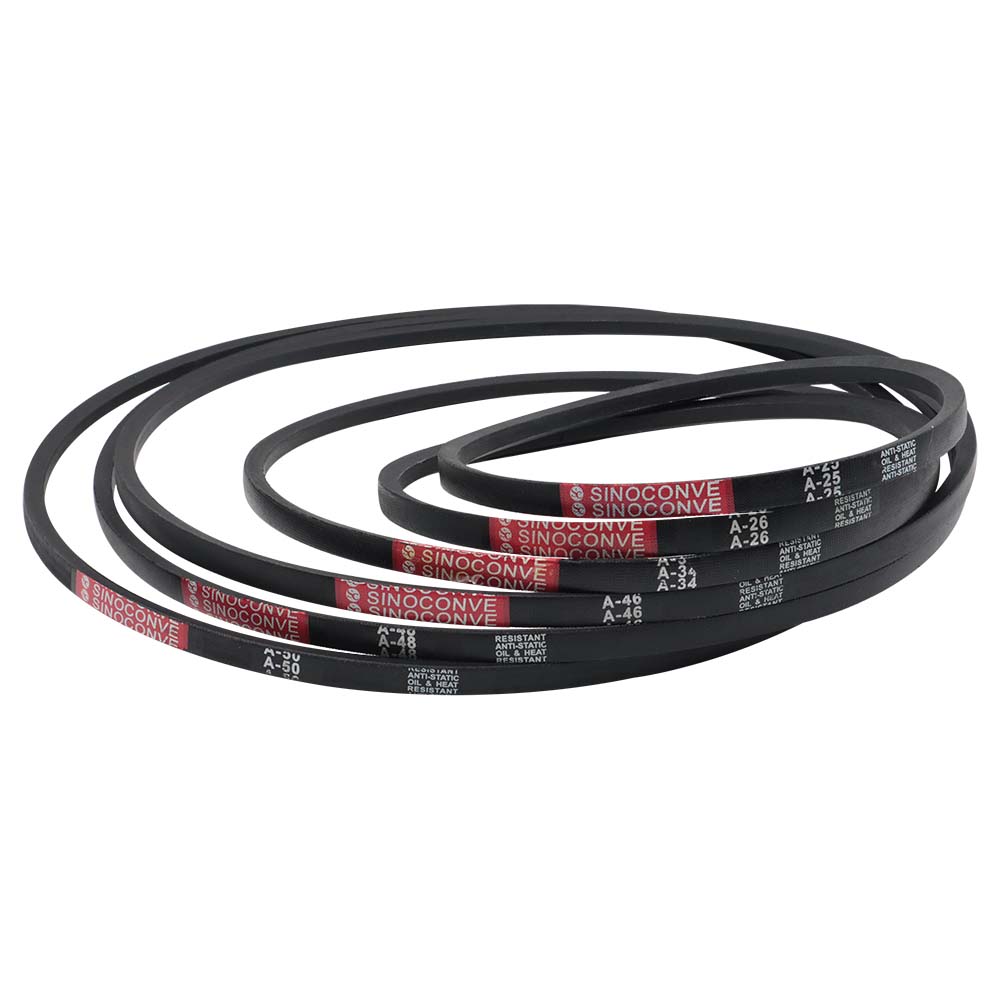

Understanding the GRADE M TEXTILE CORD CONVEYOR BELT: A Technical Overview
In the realm of industrial material handling, the GRADE M TEXTILE CORD CONVEYOR BELT stands out as a robust solution engineered for demanding environments. This specialized conveyor belt, constructed with high-grade textile cords, provides exceptional tensile strength and flexibility, making it indispensable in sectors like mining and heavy manufacturing. As industries seek reliable conveyance systems, the GRADE M TEXTILE CORD CONVEYOR BELT emerges as a preferred choice due to its superior load-bearing capacity and resistance to operational stresses.
Core Construction and Material Specifications
The GRADE M TEXTILE CORD CONVEYOR BELT is primarily built using multi-ply textile reinforcements, often incorporating polyester or nylon cords embedded in a rubber matrix. This design ensures low elongation under tension, typically below 1% for the first 10% of rated tensile strength, which is critical for maintaining alignment and reducing downtime in continuous operations. The rubber covering, usually a Grade M formulation compliant with international standards like DIN 22102, offers enhanced abrasion resistance with a minimum thickness of 3mm on the top and 1.5mm on the bottom. This configuration not only protects the core from environmental factors such as moisture and chemicals but also extends the belt's service life, often exceeding 50,000 operating hours in moderate conditions.
Integration with RUBBER CONVEYOR BELT Technologies
When discussing the GRADE M TEXTILE CORD CONVEYOR BELT, it's essential to consider its synergy with broader RUBBER CONVEYOR BELT applications. The rubber compound in these belts is formulated to withstand temperatures from -30°C to 80°C, with options for heat-resistant variants up to 120°C. Tensile strength ratings can reach 800 N/mm, allowing the belt to handle loads up to 500 tons per hour depending on pulley diameter and speed. Technical advantages include superior impact absorption through the textile cord structure, which distributes forces evenly across the belt width, minimizing splice failures—a common issue in older steel cord designs. For instance, in conveyor systems spanning over 1,000 meters, the GRADE M TEXTILE CORD CONVEYOR BELT's minimal stretch prevents pulley slippage and ensures precise tracking, enhancing overall system efficiency by up to 15%.
Applications and Performance in Industrial Settings
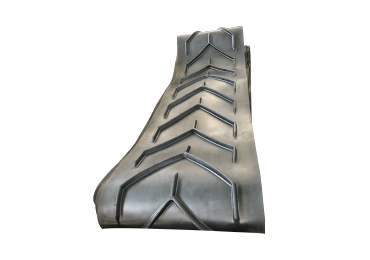
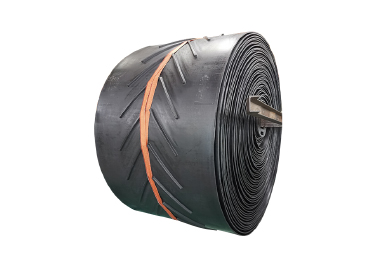
The versatility of the GRADE M TEXTILE CORD CONVEYOR BELT shines in applications requiring CONVEYOR BELT reliability under variable loads. In coal handling plants, it excels at transporting abrasive materials with minimal wear, thanks to its anti-static properties that prevent dust accumulation and spark generation. Comparative analysis with standard RUBBER CONVEYOR BELT models reveals that the textile cord variant reduces energy consumption by 10-20% due to lower rolling resistance. Maintenance protocols involve regular inspections for cover cracks and cord integrity using non-destructive testing methods like ultrasonic scanning. In steel mills, where temperatures fluctuate, this belt's thermal stability prevents delamination, ensuring uninterrupted production cycles. Engineers often specify it for inclined conveyors with angles up to 18°, where its grip-enhancing top cover patterns, such as chevron or herringbone, provide optimal traction.
Advancements and Future Considerations
Looking ahead, the evolution of the GRADE M TEXTILE CORD CONVEYOR BELT incorporates smart technologies like embedded sensors for real-time monitoring of tension and wear. This integration with IoT platforms allows predictive maintenance, potentially cutting repair costs by 30%. Compared to traditional CONVEYOR BELT options, the textile cord design offers a cost-effective alternative with a payback period under two years in high-volume operations. Its environmental footprint is also noteworthy, as recyclable rubber components align with sustainable manufacturing goals. For procurement, selecting belts certified under ISO 9001 ensures compliance with global safety standards, guaranteeing long-term performance in dynamic industrial landscapes.