

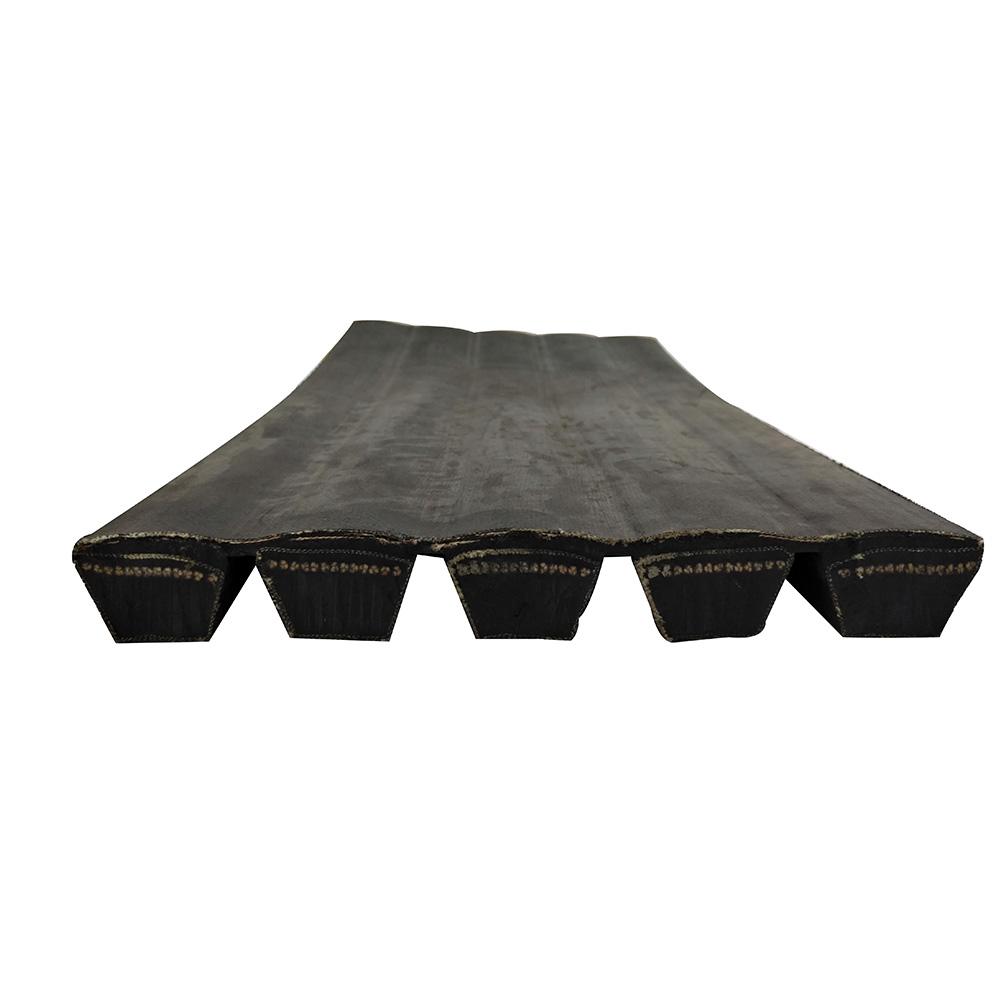
Banded V-Belt for Heavy-Duty Drive Stability
A banded V-belt helps multi-groove drives reduce belt whip, rollover, uneven load sharing, and repeated adjustment. This article explains where banded belts fit, how they differ from bandless V-belts, and what buyers should check before ordering for industrial machinery.
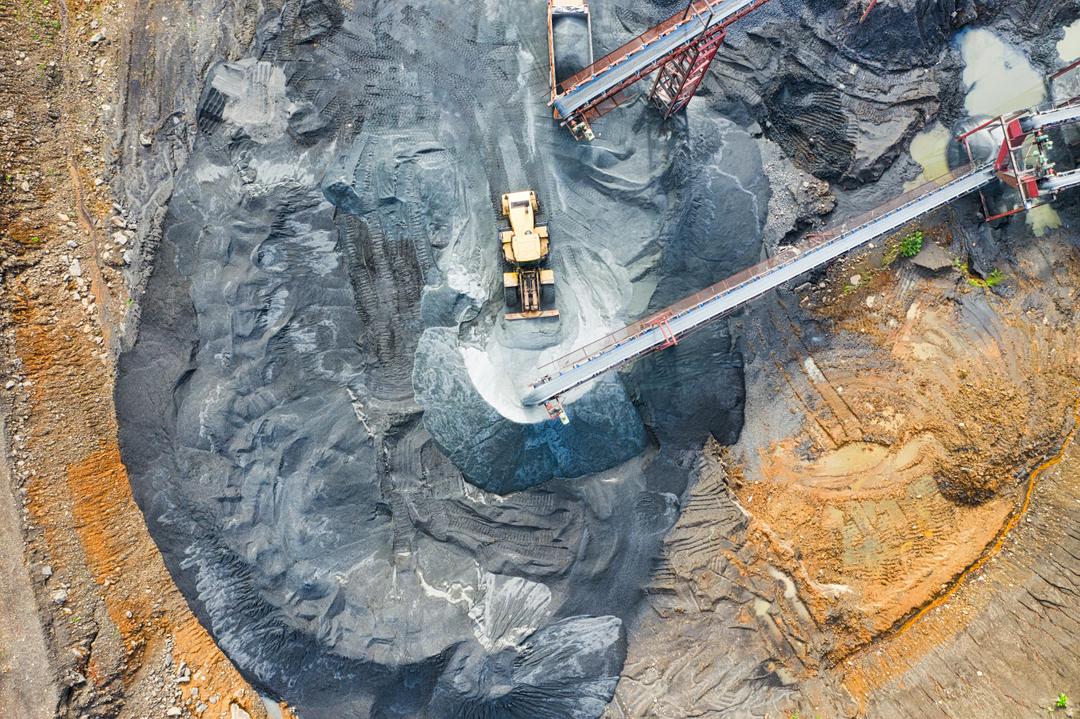
Sidewall Conveyor Belt for Quarry and Bulk Handling
A sidewall conveyor belt is useful when quarry material must move steeply with better containment. This article explains where it fits, how it differs from flat, chevron, and steel cord belts, and what buyers should check before ordering for aggregate and bulk handling lines.
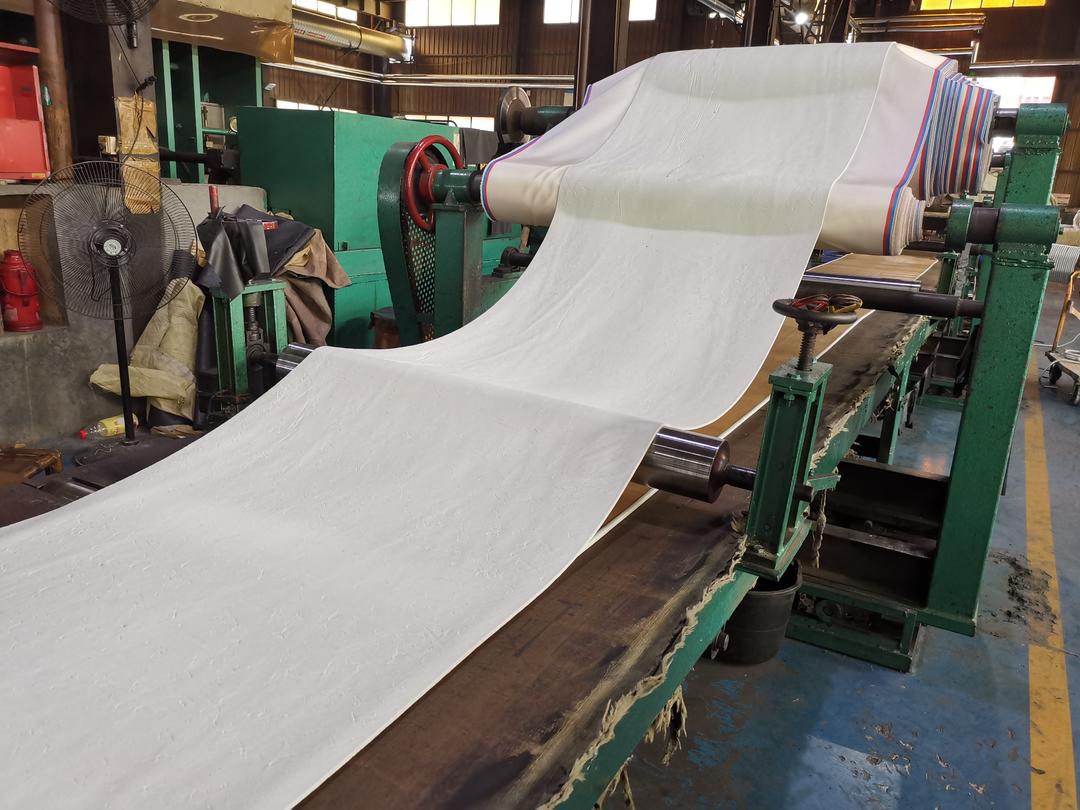
White Rubber Conveyor Belt: What Buyers Should Know
1. What Buyers Usually Mean by a White Rubber Conveyor Belt 2. Where White Conveyor Belts Tend to Be Used 3. What to Look at Before You Specify One 4. How the White Belt Fits Into Wider Web Handling and Conveyor Decisions 5. Common Buyer Errors 6. Quick Selection Questions 7. Practical Takeaway for Buyers
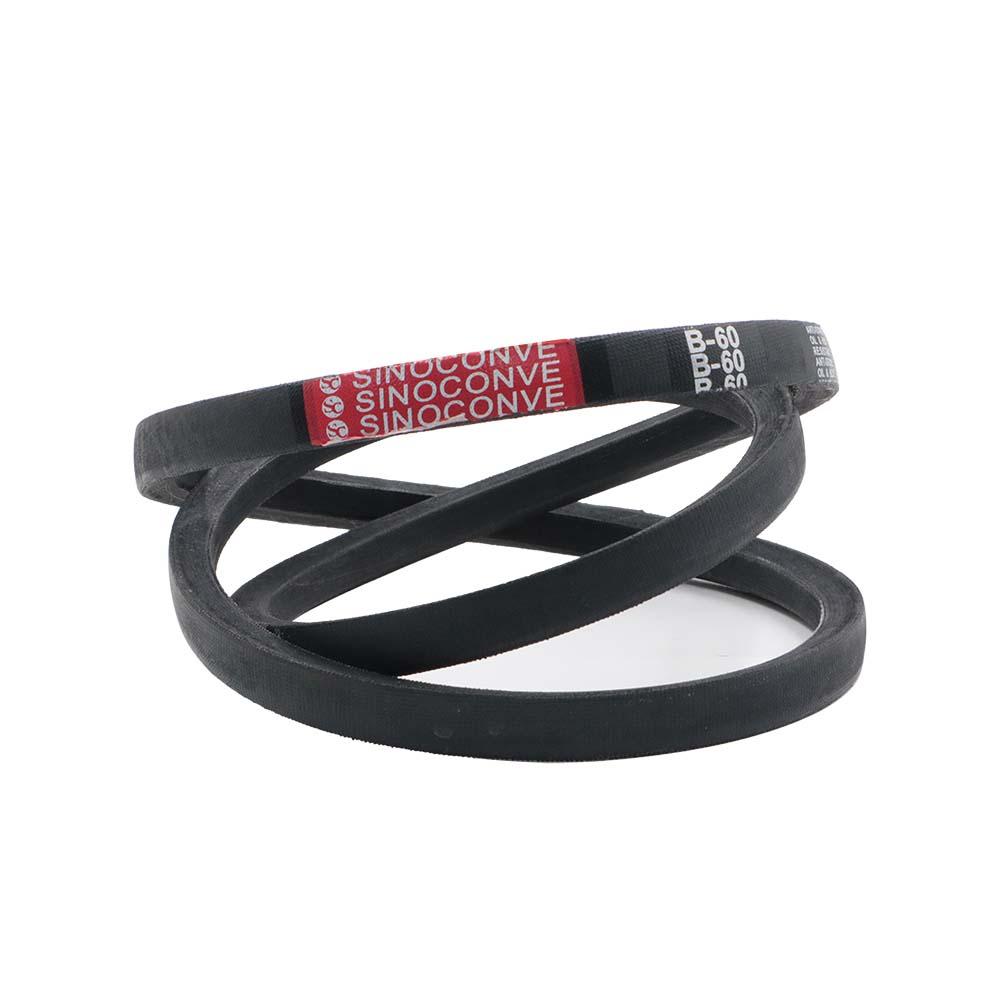
Transmission Belt Guide: Choosing and Maintaining a V Belt
This professional Transmission Belt guide explains how a V belt works in pulley-driven industrial systems, why belt section, sheave groove, tension, load pattern, and rubber belt construction affect service life, and how maintenance teams should diagnose early failures. It also covers common selection mistakes, failure signs, replacement information, supplier quotation details, and practical ways to maintain V belt drives in demanding machinery.
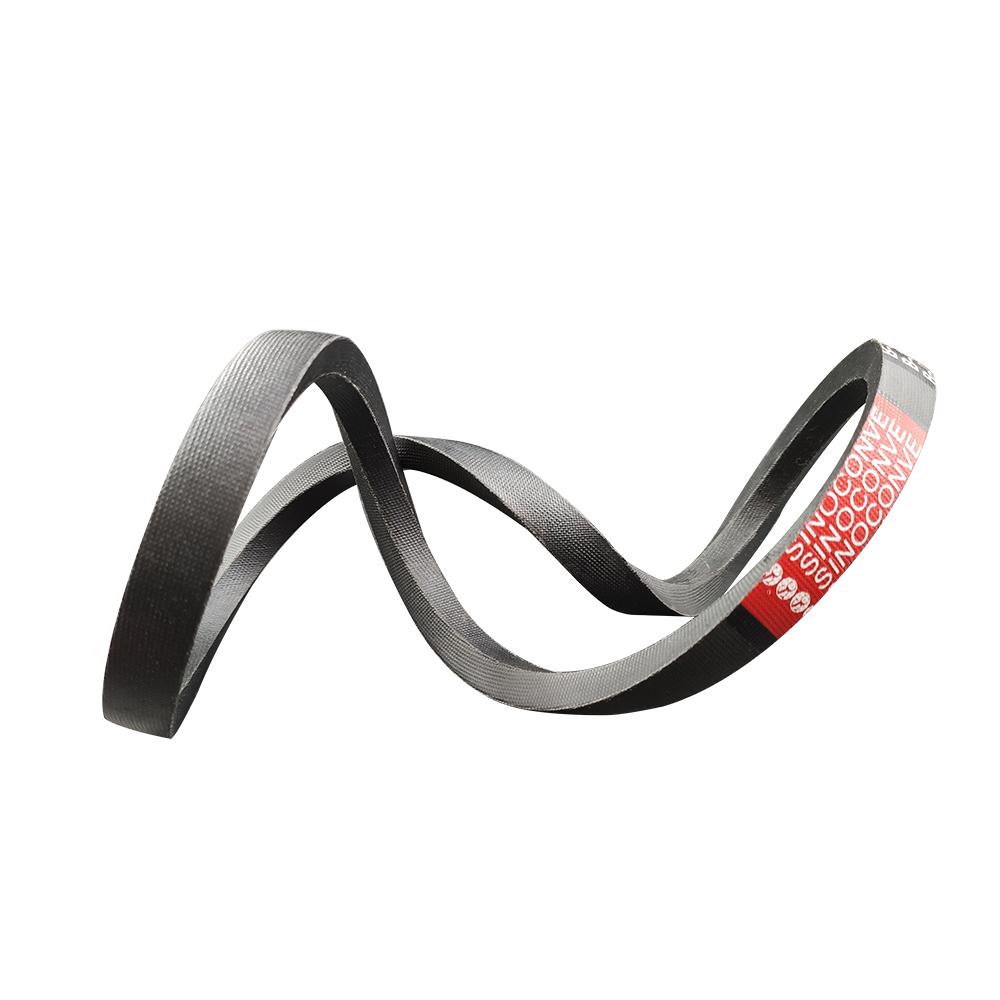
V belt application in car: What It Does and How to Choose the Right Belt
This article explains why the V belt application in car systems still matters, especially in accessory drives and related pulley-driven equipment. It covers how V belts grip pulley grooves, when plain or cogged profiles make sense, and what buyers should check before ordering replacement belts. The added tables and FAQ help clarify application areas, belt selection points, and sourcing information without changing the article’s natural technical tone.
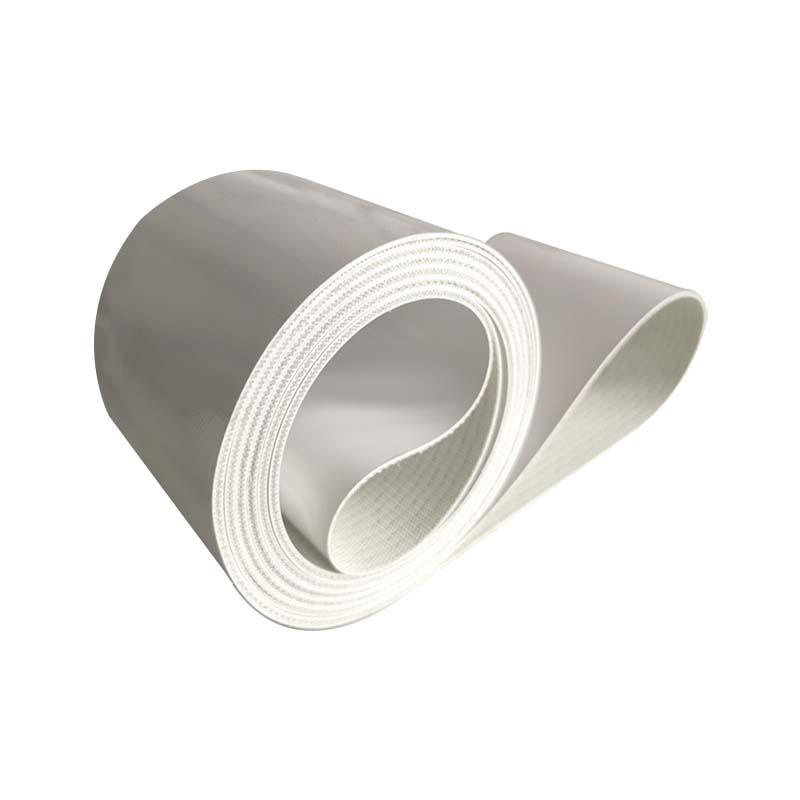
PVC Conveyor Belt Selection: What Buyers Should Know
1.PVC conveyor belt selection looks simple — until line speed, cleaning requirements, or product mix changes. 2.Rolled continuous format adds installation flexibility, but only when joining method and end preparation are done correctly. 3.Flat PVC conveyor belts are mechanically straightforward but sensitive to tensioning, pulley condition, and alignment. 4."Easy to clean" is a hypothesis to verify against your process, not a guaranteed property of the material. 5.Most belt complaints trace back to installation or system maintenance — not the belt itself. 6.Selecting by thickness alone, assuming surface consistency across suppliers, and confusing perforated strip with conveyor belt are the three most common sourcing mistakes. 7.Changeover speed, specification discipline, and maintenance simplification are the three trends reshaping how buyers approach belt procurement.
Explore more
We are committed to providing you with better products and services. Welcome to browse more content for details