


01
Engineered belt solutions for demanding industries worldwide

35+ Years of Experience
Manufacturing rubber conveyor belts, transmission belts, and rollers for mining, quarrying, ports, cement plants, and bulk material handling systems.
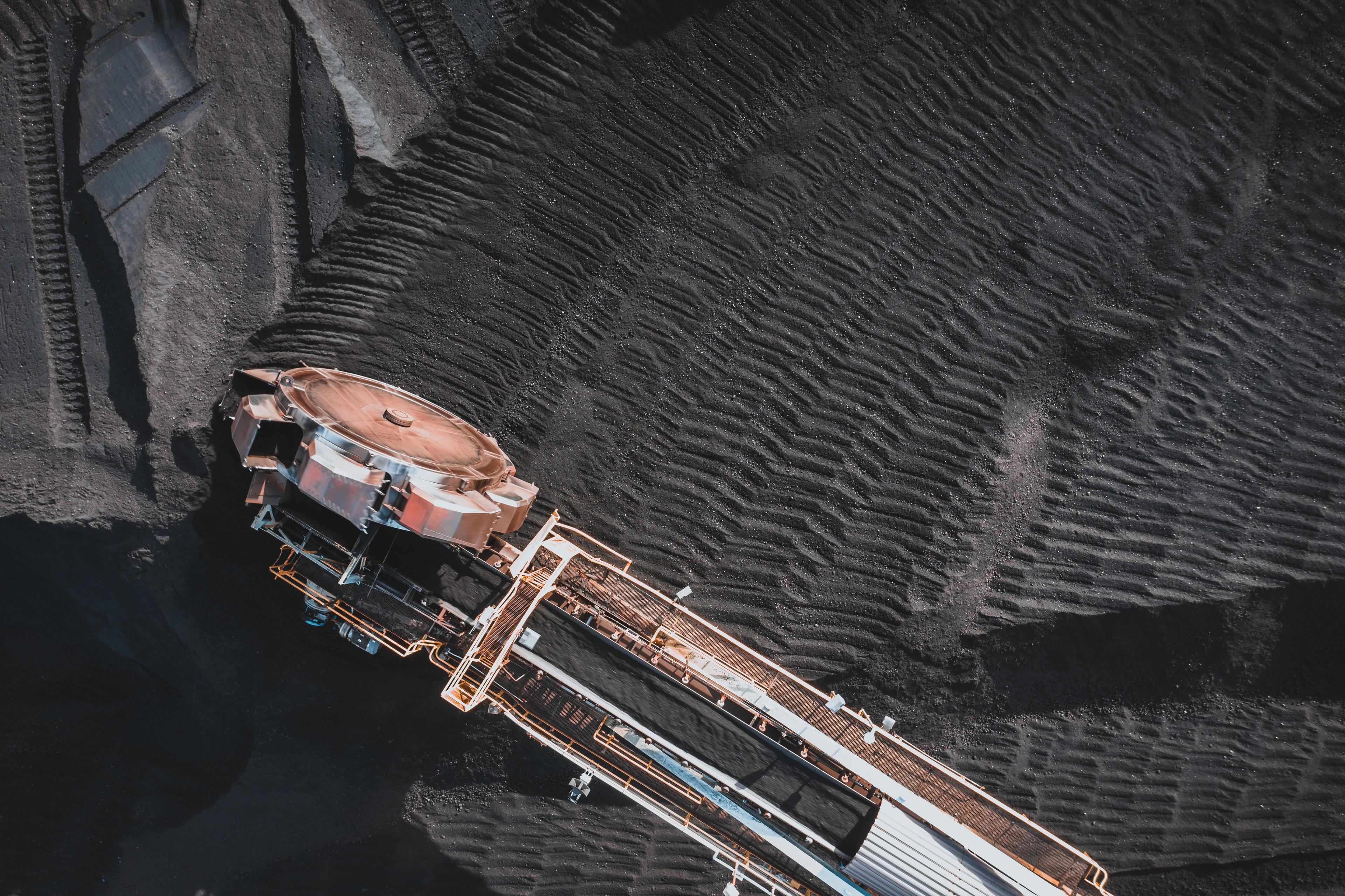
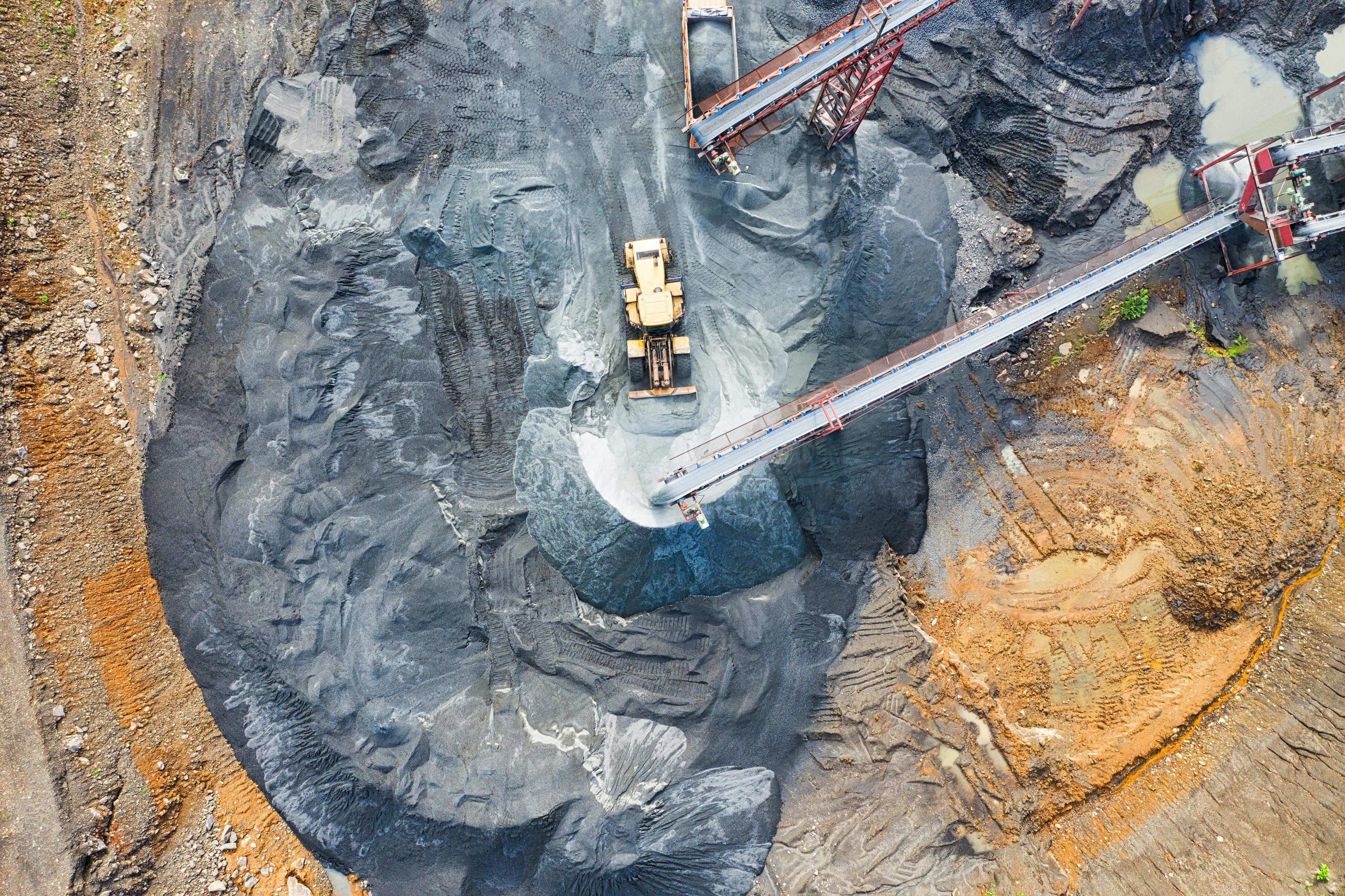
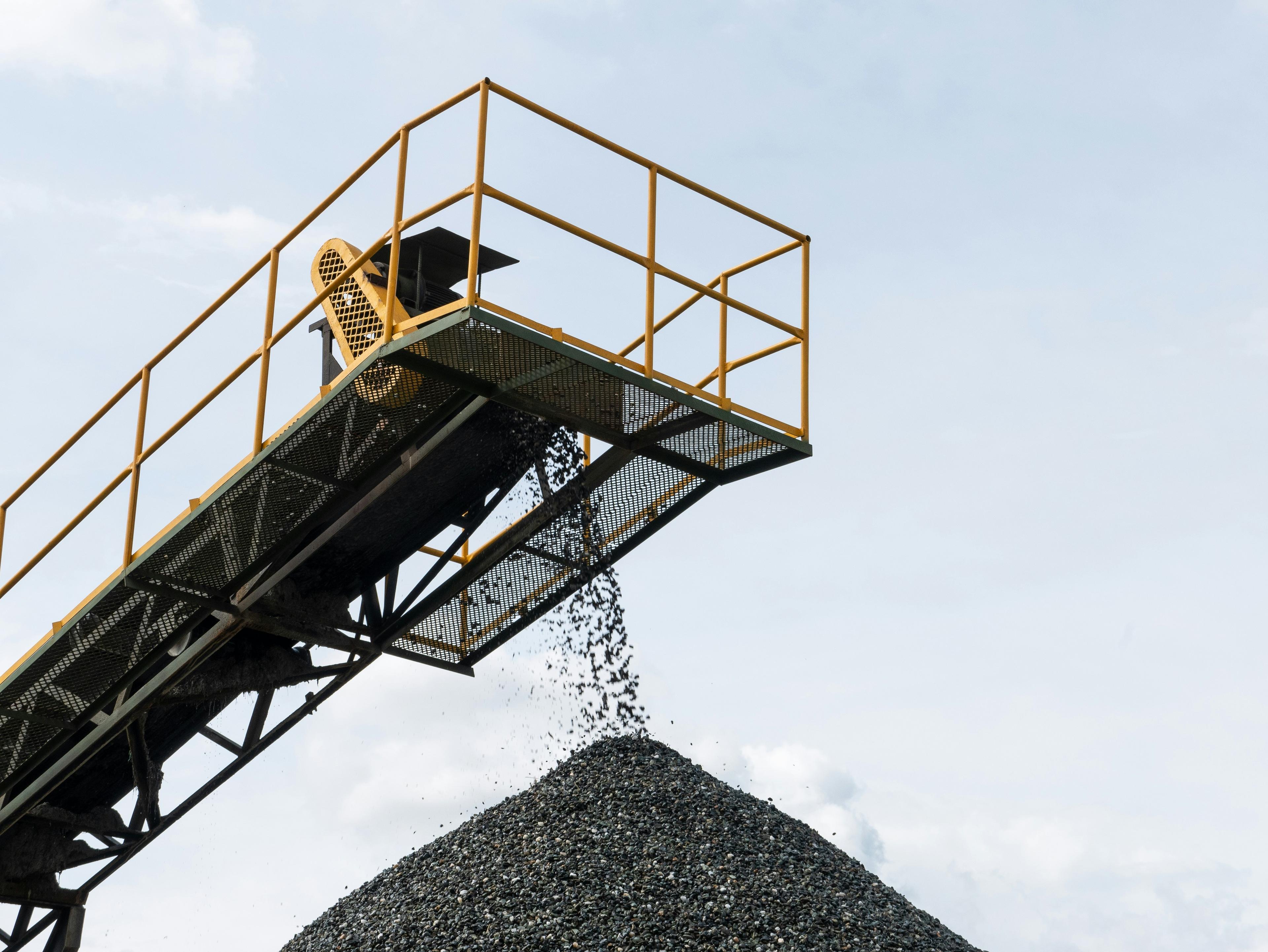
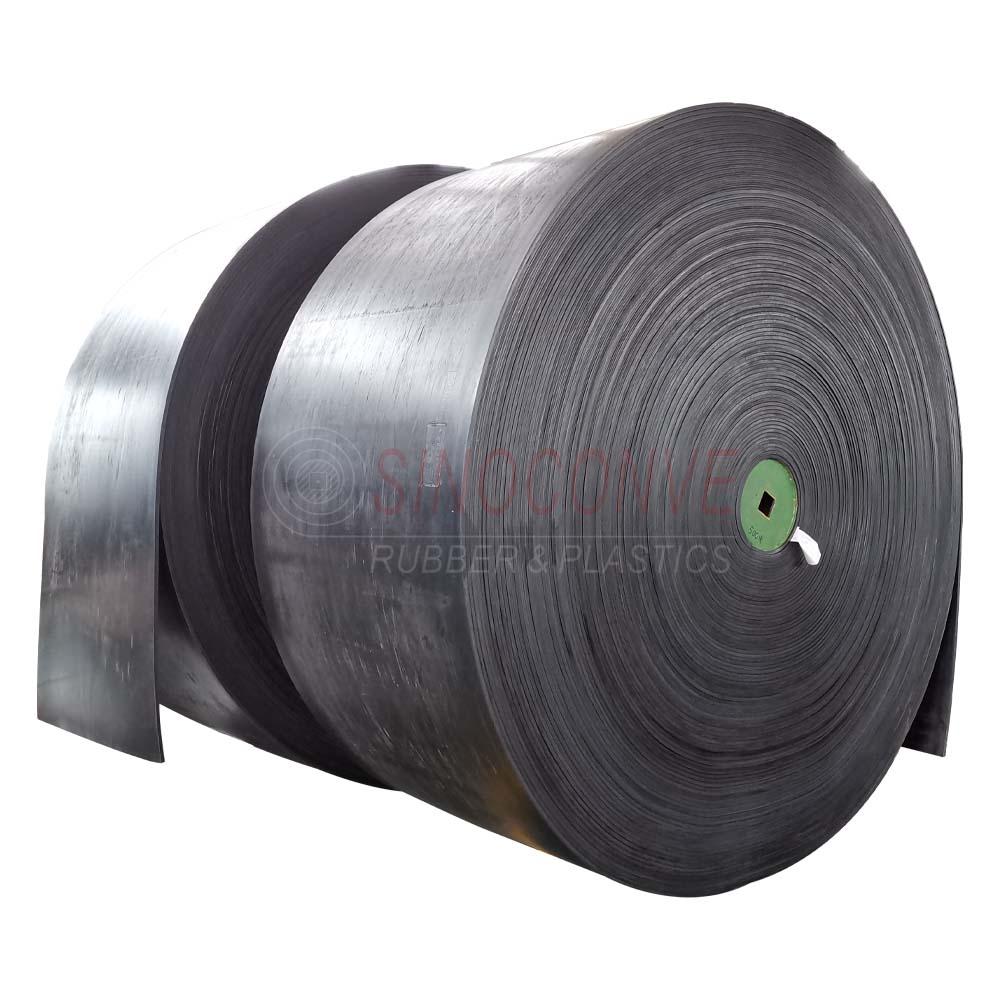
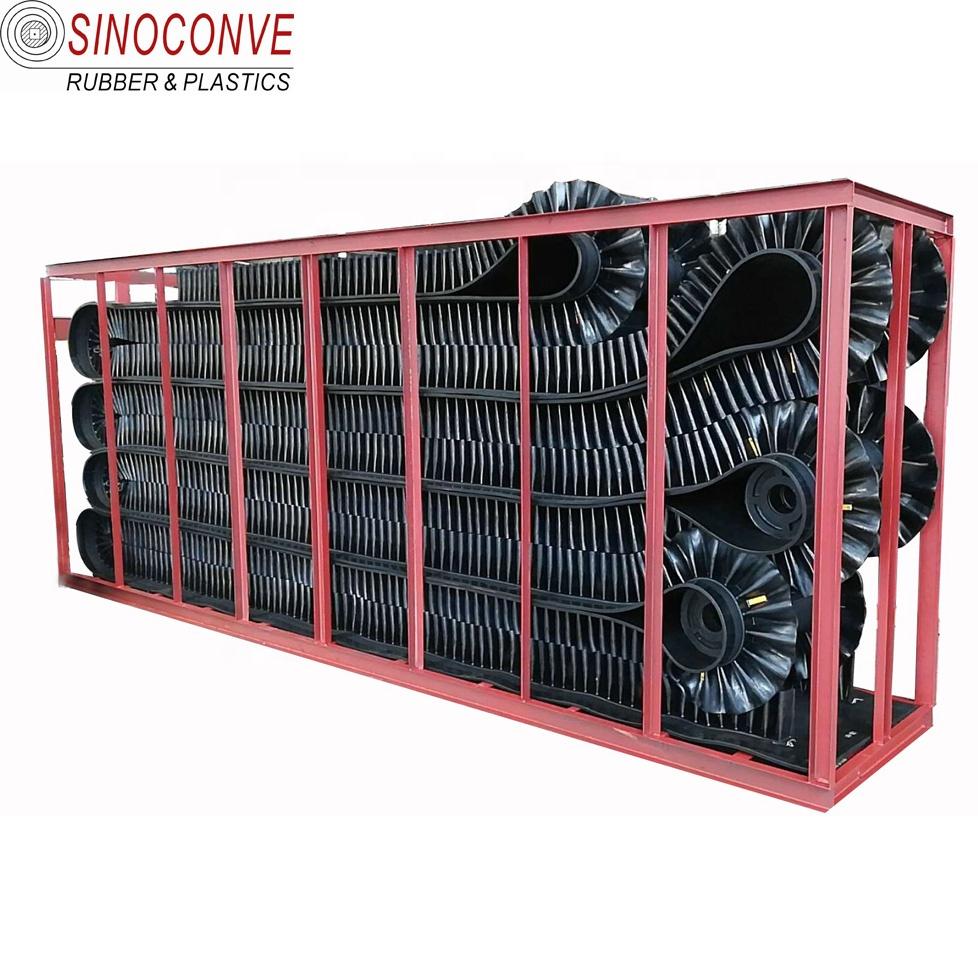
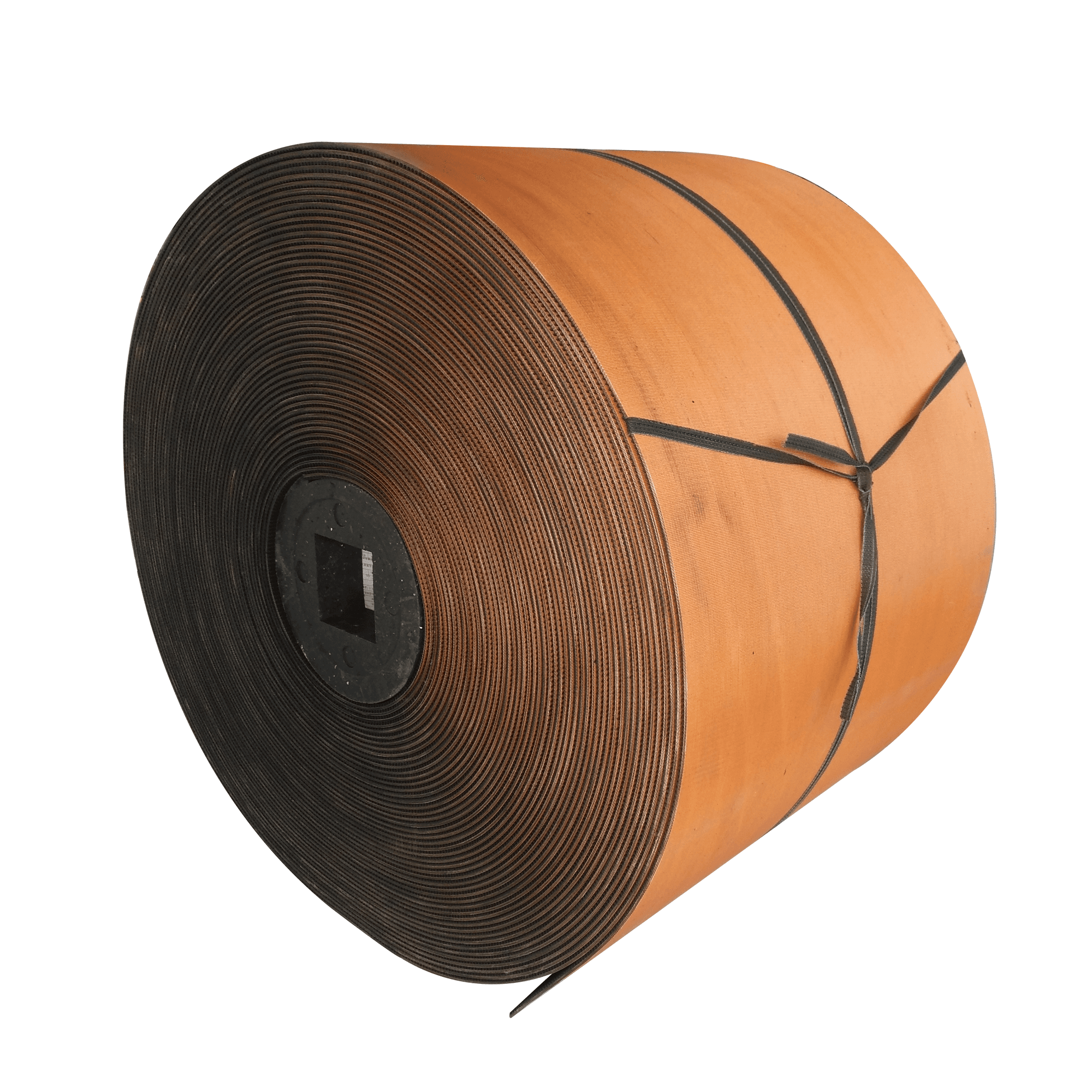
Sinoconve conveyor belts provide surpassing value for money to help our clients grow their business worldwide. Extensive producing technology and rich working experience enable us to manufacture quality conveyor belts,excellently resisting to impact, abrasion,tear,cut,heat,fire, cold,oil and grease.

SINOCONVE BELT is focusing on material handling, power transmission and industry application.We are aimed at helping our customers increase production efficiency,offering quality conveyor belts and v-belts with high strength,low abrasion, resistant to impact and cut.
SINOCONVE has more than 35 years of manufacturing experience in industrial conveyor and power transmission belt solutions. We supply rubber conveyor belts, PVC conveyor belts, transmission belts, timing belts, V belts, PK belts, and conveyor rollers for mining, cement plants, ports, logistics, agriculture, and industrial equipment.
With 10+ vulcanization production lines, 200+ employees, and a complete quality control team, SINOCONVE supports global buyers with stable production capacity, customized specifications, and reliable delivery. From raw material inspection to production monitoring and final testing, each order is checked carefully before shipment.

.png&w=3840&q=75)




.png&w=3840&q=75)


with double guarantee of certificate of iso9001:2000 & ISO14001-2004 Certificate for its production

The company has abundant experience of project operation,products and service supplying

Found its good sale market in North and South America,Europe, South east Asia, Middle East area and Africa
With over 35 years of manufacturing experience, all Sinoconve rubber conveyor belts meet and exceed ISO 9001 standards while complying with DIN-22102, AS-1132, RMA, SANS-1173, and BS-490 criteria, and our flame-resistant belts are SGS tested and certified
SINOCONVE BELT delivers high-strength, wear-resistant conveyor and V-belts for material handling, power transmission, and industrial use—boosting efficiency with impact and cut resistance
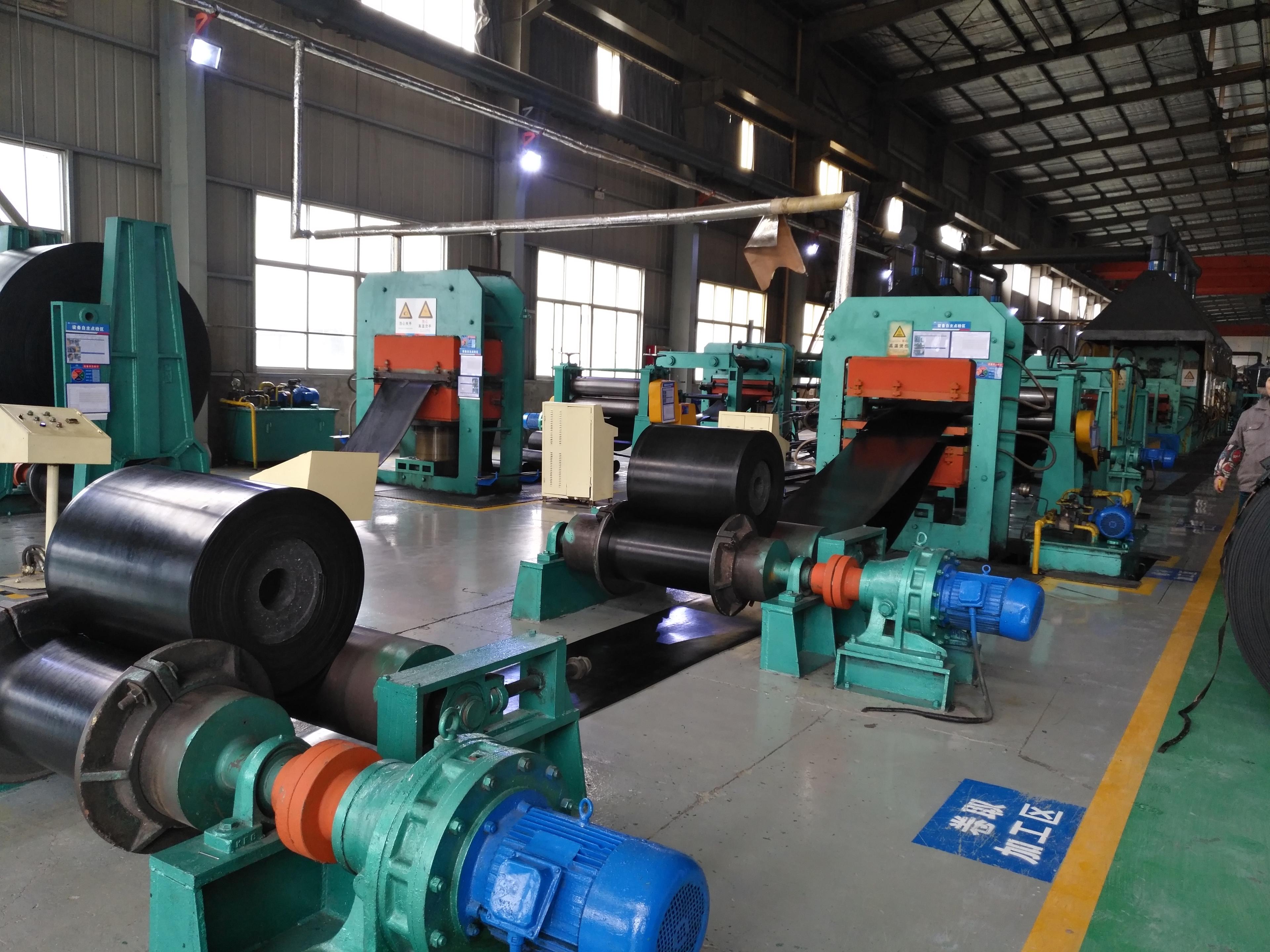
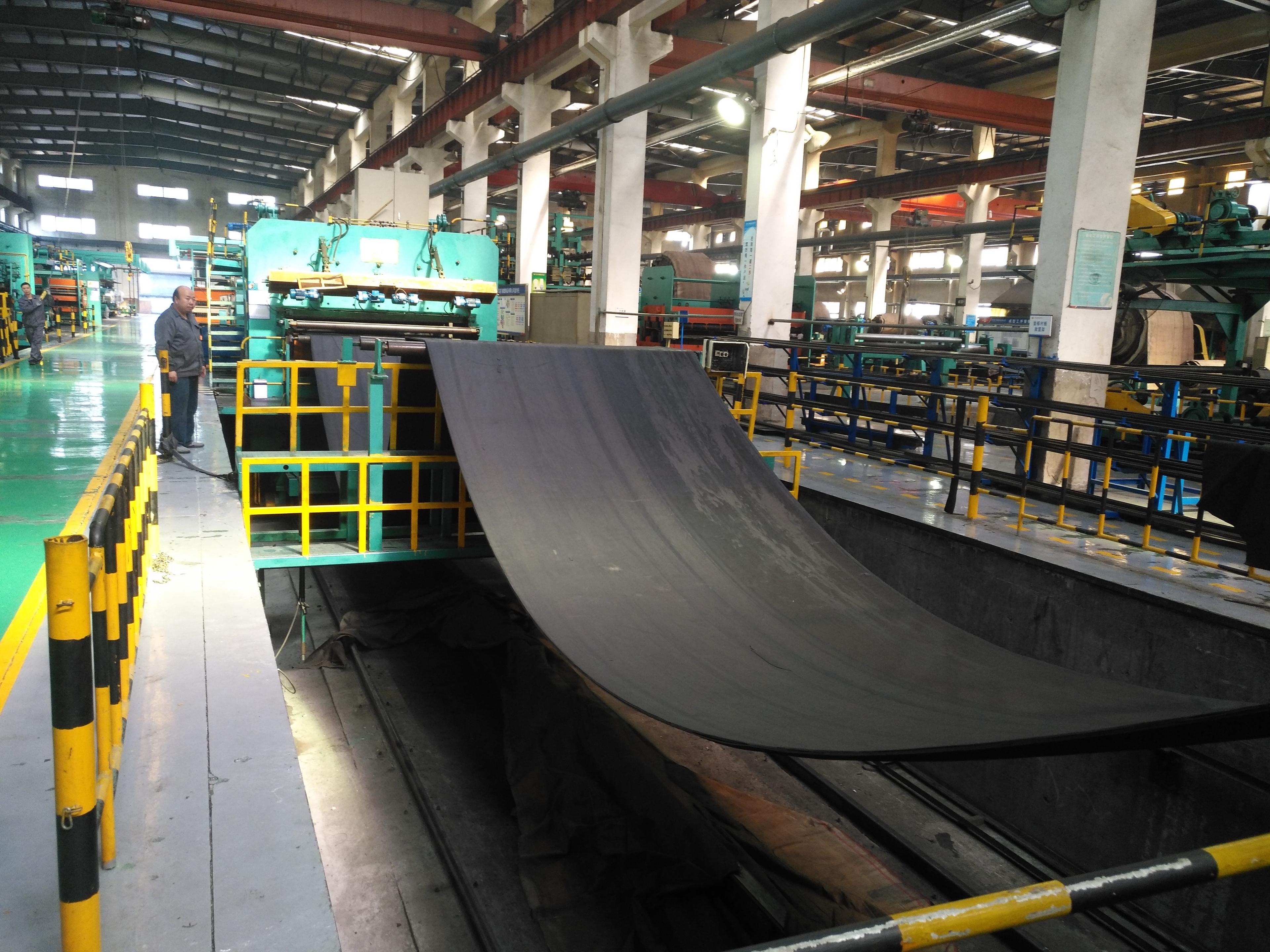
Explore the production equipment and processes behind our conveyor belt and transmission belt manufacturing capabilities.

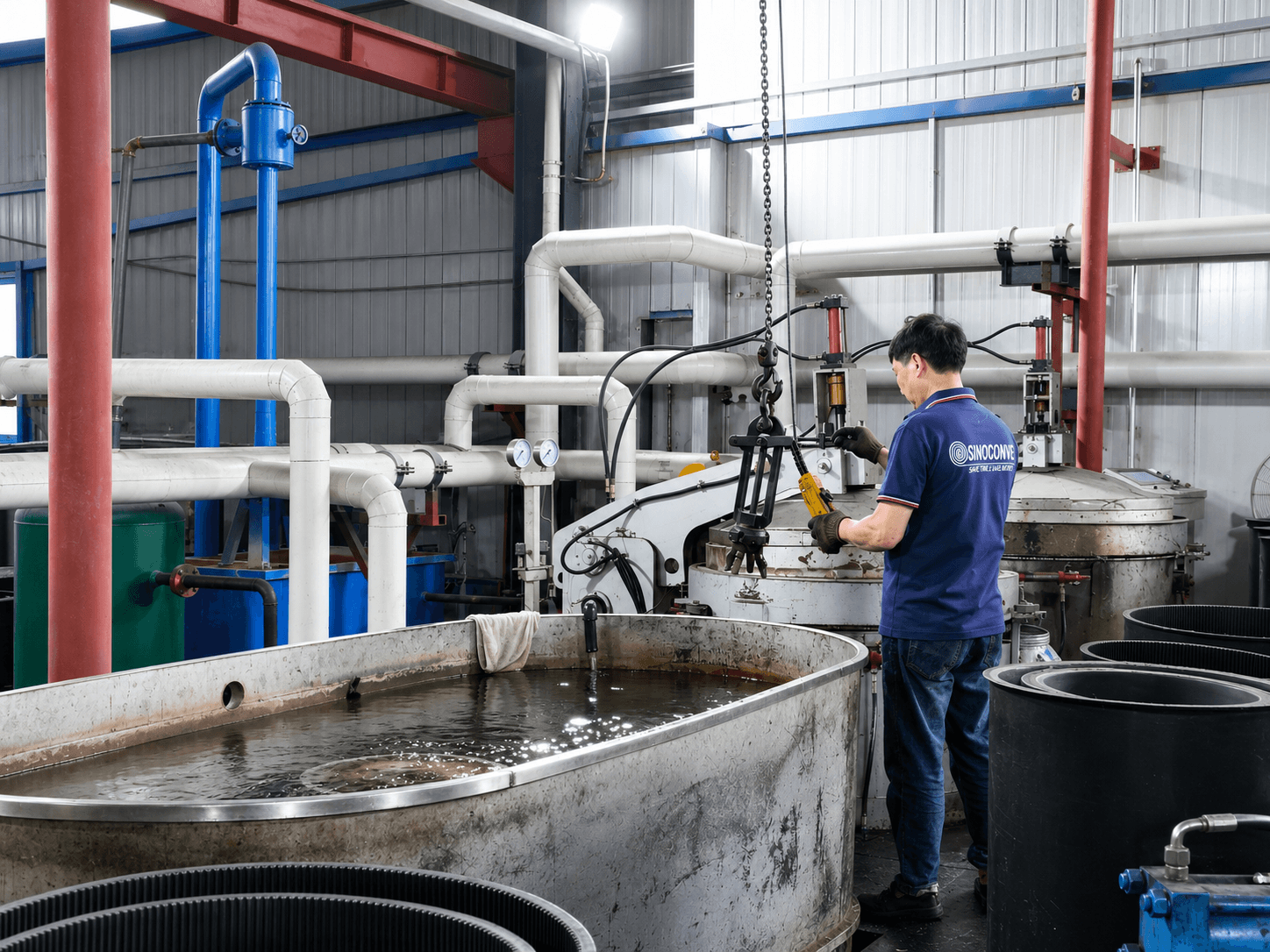
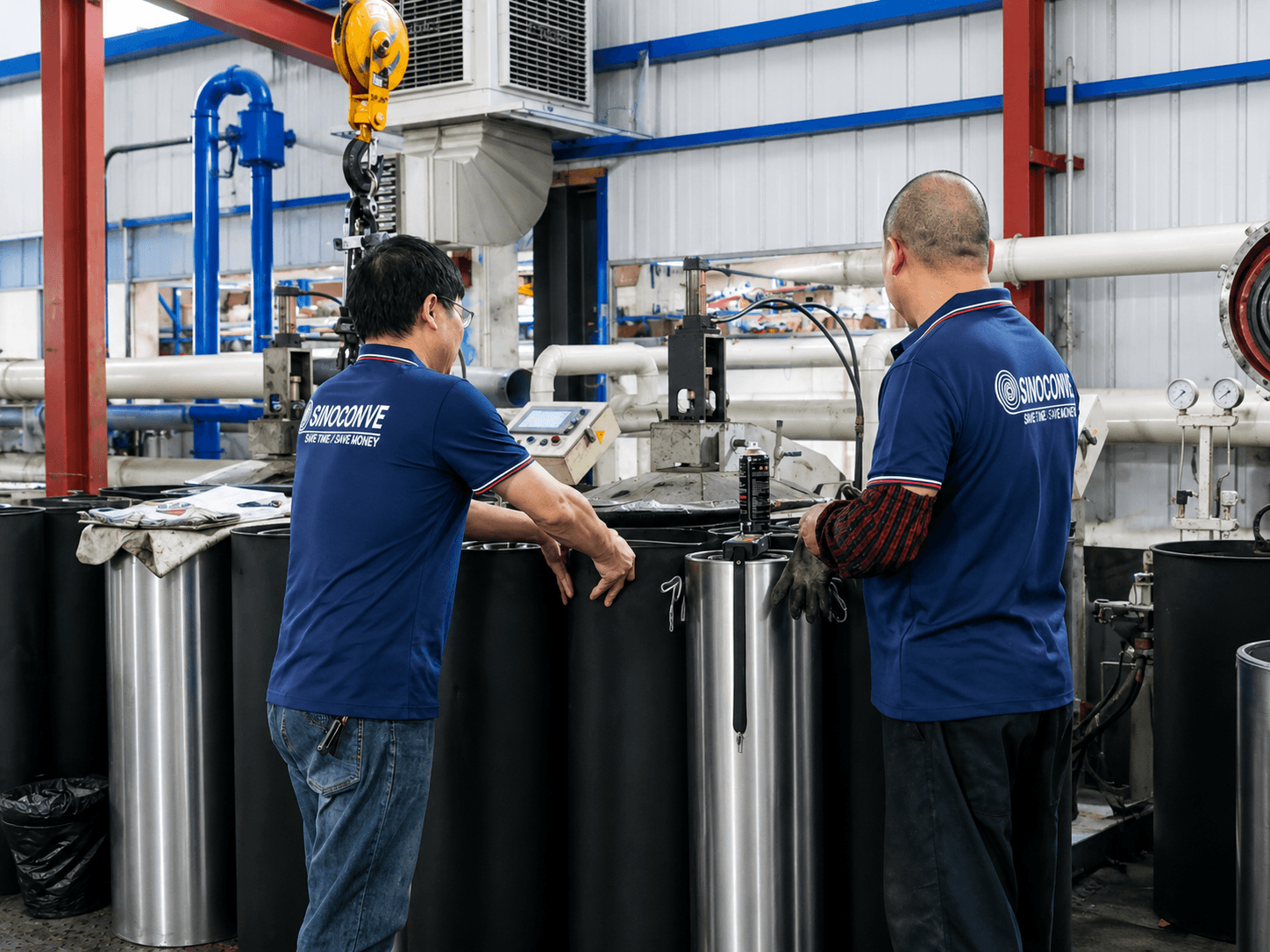
For mining and quarrying projects, conveyor belt quality affects service life, maintenance cost, and downtime. SINOCONVE checks materials, production, finished belts, and performance data before shipment to support stable operation in demanding working conditions.
Quality control starts with raw materials. Rubber compounds are tested by moving die rheometer, while EP fabric is checked for tensile strength and elongation to help confirm belt strength and dimensional stability.
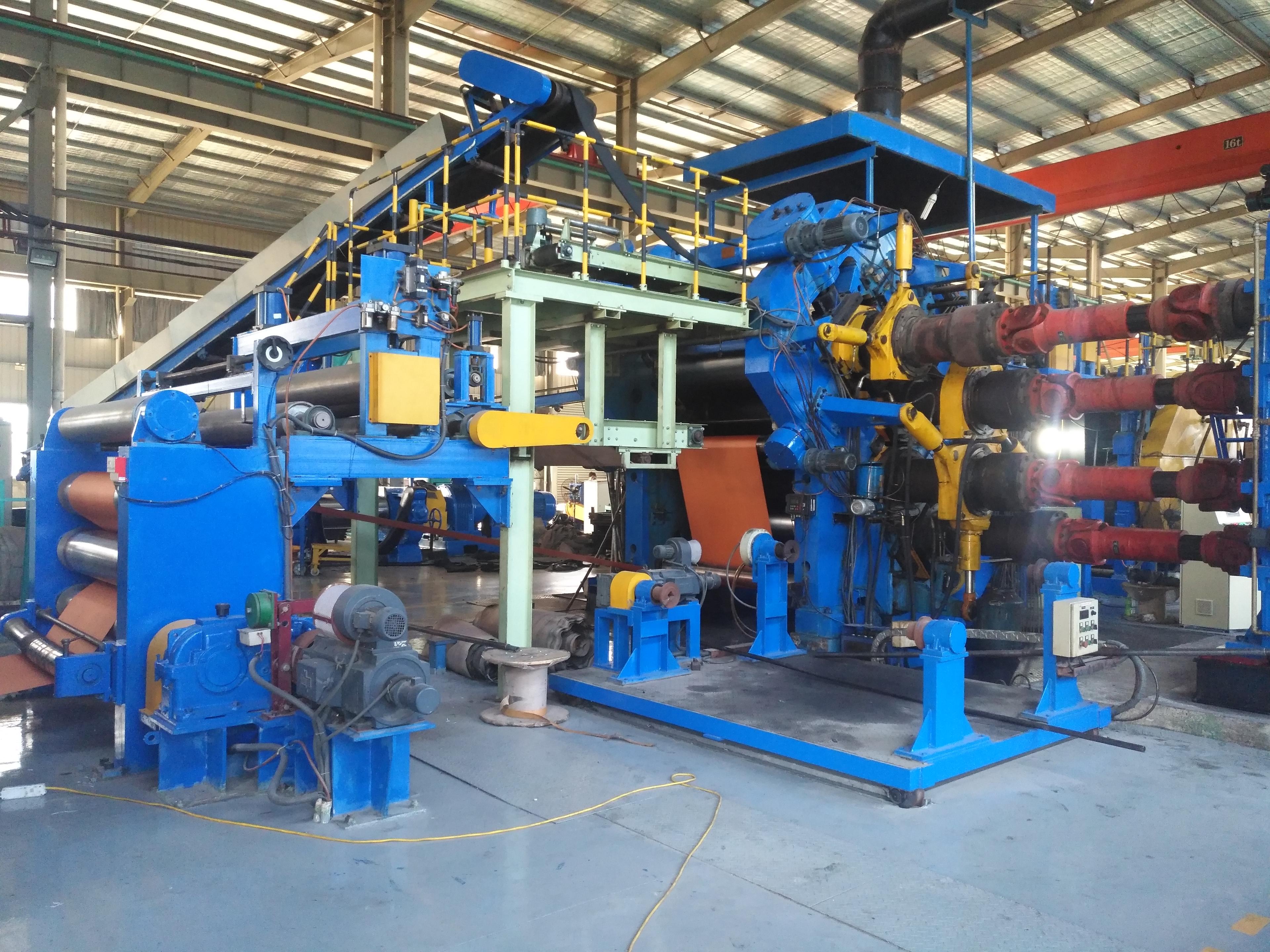
During production, key processes are monitored. The 4-roller calender helps apply rubber evenly, and ply tension is controlled during forming to reduce wrinkles, uneven core thickness, and structural defects.
Finished belts are checked for surface condition, length, width, and thickness according to order requirements. Any visible surface issue is handled in the factory before the belt is approved for packing and shipment.
SINOCONVE conducts laboratory testing for rubber materials, compounds, and finished conveyor belts. Common test items include abrasion resistance, adhesion strength, tensile strength, and other data required by the order.
Before delivery, each order is reviewed for specifications, appearance, dimensions, packaging, and labels. Conveyor belts can be produced with reference to DIN, RMA, ISO, and other applicable standards.
.jpg&w=3840&q=75)
.jpg&w=3840&q=75)
.jpg&w=3840&q=75)
.jpg&w=3840&q=75)
Insights & Updates
Stay updated with the latest news and announcements from SINOCONVE. Explore our latest articles below.
product introduction
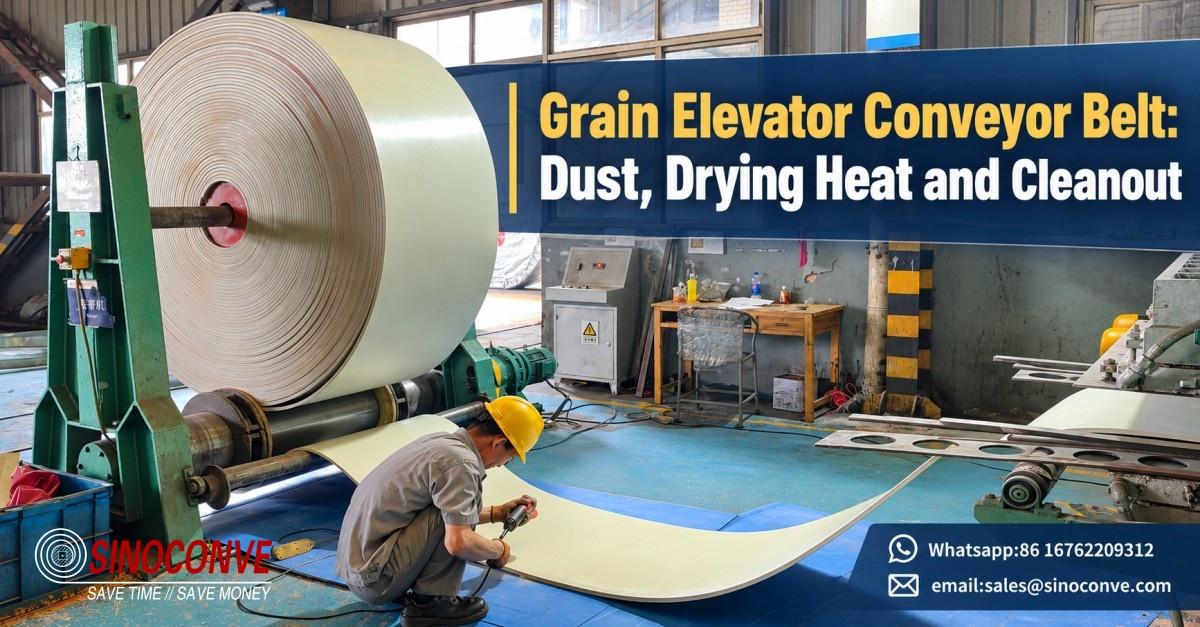
In a grain elevator the belt is rarely the weakest part of the machine, but it is often the first thing blamed when a silo will not discharge or a loadout runs late. The real duty is set by four things that have little to do with tonnage: combustible dust in the air, grain that arrives warm from the dryer, oily seed that softens a cover from the inside, and a cleanout routine that has to remove every last kernel before the next species is loaded. This guide follows the material from receiving through drying, storage and outloading, and treats each stage as a separate specification rather than one generic grain belt. It explains why static and slip matter more than abrasion here, how heat from the dryer changes tension and tracking, what oil resistance costs in wear terms, and how belt geometry decides whether a cleanout can actually be done.
product introduction
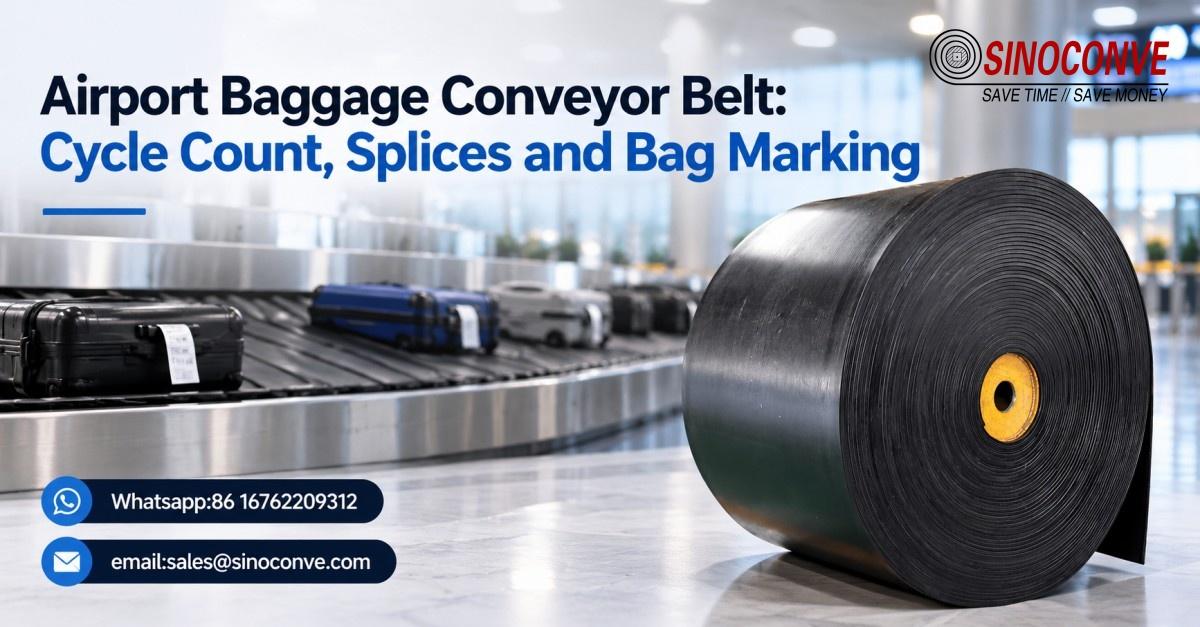
Most baggage belts are replaced because a splice failed, a bag came off marked, or the line kept tripping on a jam, not because the cover wore out. This guide follows a bag through the handling system, from check-in and injection to transport, sortation and the arrival carousel, and treats each segment as a different duty. It explains why cycle count outranks abrasion on short transfers, how a splice becomes the first failure point under repeated starts, and why a dark rubber surface can leave a grey smudge on a light suitcase in a dry terminal. Separate sections cover tracking on long runs, slider bed friction and motor load, first starts in a cold climate, foreign objects such as label backing and film, and the clauses worth writing into a tender before the belt is ordered. It closes with acceptance checks, spares and the shutdown sequence for a belt change.
product introduction
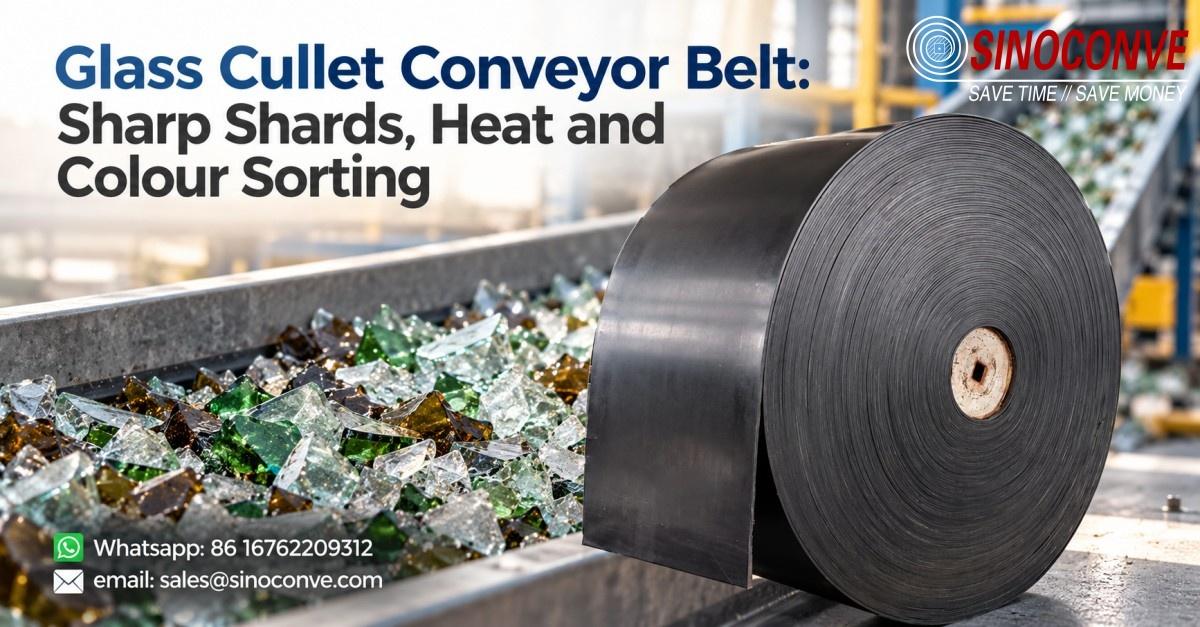
Cullet does not wear a belt out so much as cut it. A shard edge reaches the carcass through a cover that was chosen for abrasion, and once moisture gets into that cut the plies start to separate. This guide separates the two cullet sources that are usually treated as one duty: hot cullet taken from the forming side of a container plant, where heat sits on top of the cutting problem, and cold mixed cullet from a recycling line, where water, glass powder and ceramic contamination do the damage. It explains why a harder cover is not automatically better, how a chevron or cleated surface changes spillage on an incline, why the belt face matters to an optical sorter, and why both wet washing and dry scraping carry a cost on this material. Later sections cover splice choice, edge damage at skirt rubber, tracking when spillage builds up on rollers, and the points worth settling before a line restarts.
product introduction
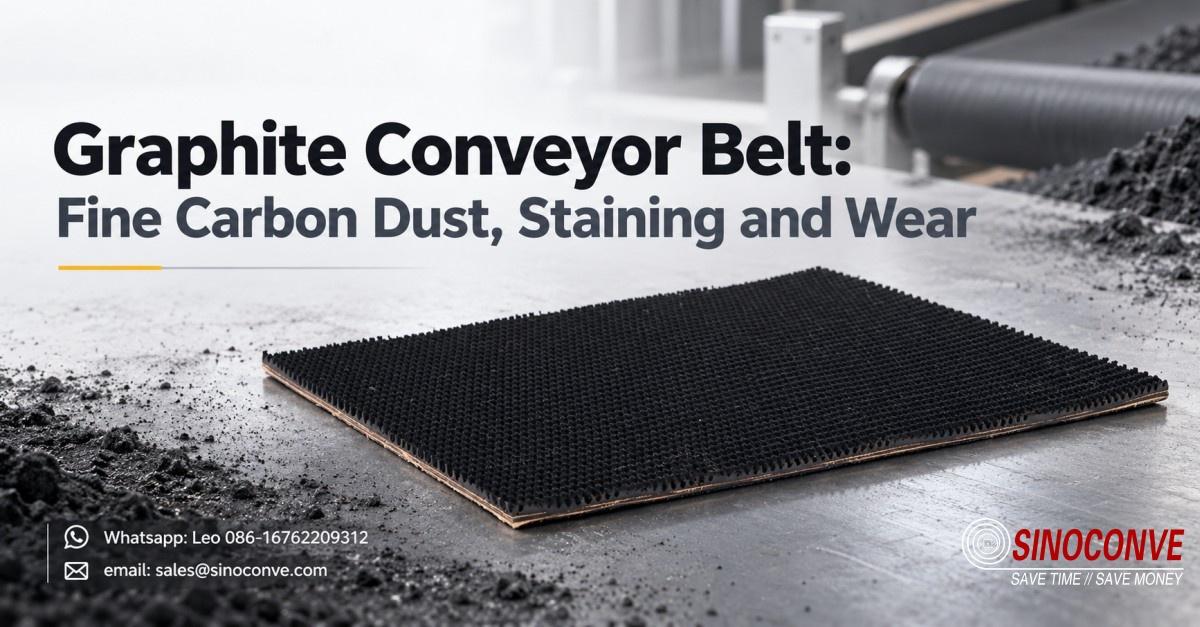
Graphite is a mineral only in the geological sense. On a belt it behaves like a lubricant, a pigment and a conductor at the same time, and none of those behaviours is helped by the usual answer to abrasive dust. It does not cut a cover so much as migrate into it, stain everything it touches and bridge gaps that were meant to stay clean. This guide starts from the dust rather than the load, then follows what it does: where it settles, how carryback returns it to the frame, why conductivity turns a housekeeping issue into an electrical one, and how a small amount of contamination becomes a product purity claim. Later sections cover cover and carcass selection, sealing and skirting, splice choice, dry cleaning rather than washdown, tracking when rollers collect build-up, and the acceptance checks and spares worth holding.
